

How to Hurl
It is said that a picture is worth a thousand words, so we have put together the following set of illustrations to assist newcomers to the game in learning what to do. There are fourteen pictures in total, equivalent to fourteen thousand words.
’E be placed!
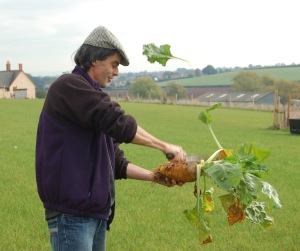
Preparing the Norman. The leafy top of the Norman is removed with one deft blow of the Special Cutting Tool. Always cut AWAY from you.
The Norman is placed by the previous year’s Mangold King using a technique similar to the throw-in of modern football (see Rule 6.2). It is not as easy as it looks.
The pitching basket in this picture was made especially for the 2007 season by local craftsmen. No artificial methods were employed in its construction.
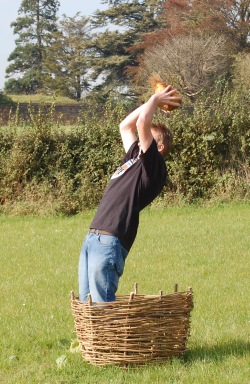
Let the hurling commence!
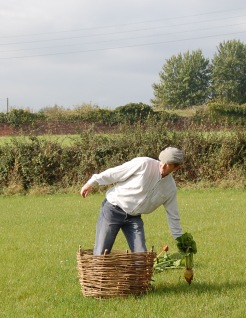
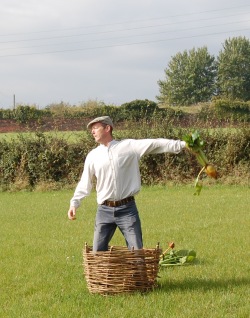
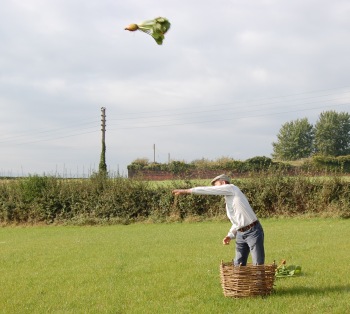
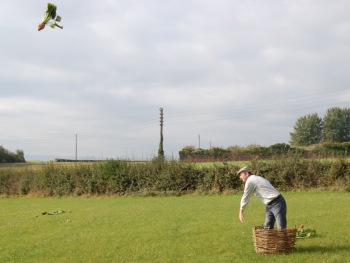
The picture above amply demonstrates the aerodynamic qualities of the mangold wurzel. Who would have thought that such an earthly vegetable could be so graceful in flight? Note that this canny hurler has chosen a well-shaped root that is not too large. In the world of mangold hurling, having a large root is not as important as how you deploy it.
Things to avoid
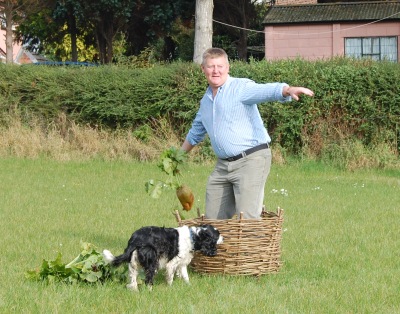
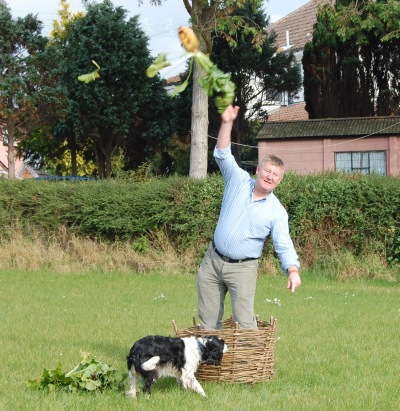
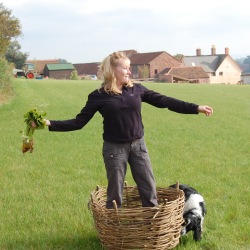
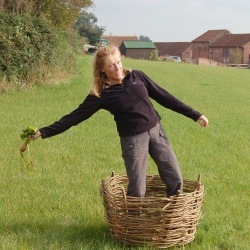
Below: The pitching arm must be kept straight.
If the elbow bends, the Watcher will call a “No hurl.”
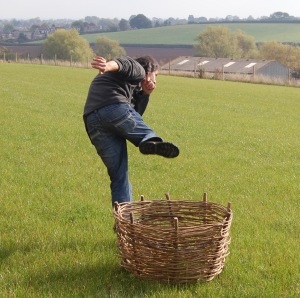
Decision time…
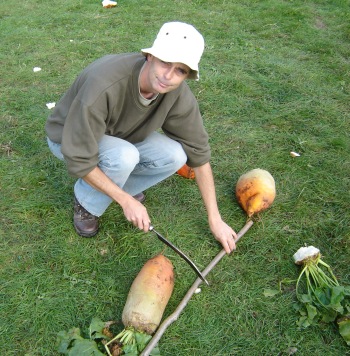
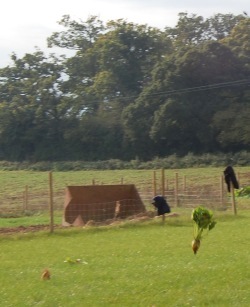
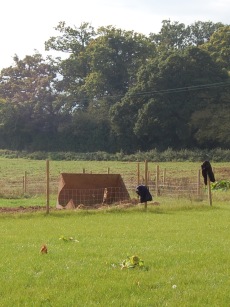
When all contestants have pitched their mangolds, it is the job of the Willow to measure the distance between each one and the Norman to determine which is the closest. To do this, the Willow uses a measuring stick called the willow, and marks the distances on it using the Special Cutting Tool. For further details see Rule 6.5.
Often it is patently obvious which mangold is closest, in which case the services of the Willow may be dispensed with.