• Somerset, October 2007


    October is the busiest month in the mangold hurling calendar. The mangolds grow rapidly during September, so that when October comes they are ready for harvesting.

    On the right you can see a selection of this year’s mangolds from the Association’s patch, laid out in an attractive and artistic fashion. There is a wide range of sizes, including little ones for the kiddies.

    Lots of mangold wurzels
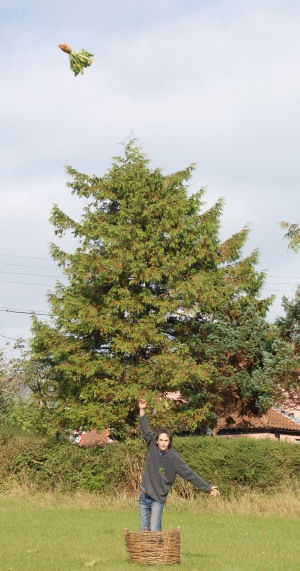
    A jolly good hurl
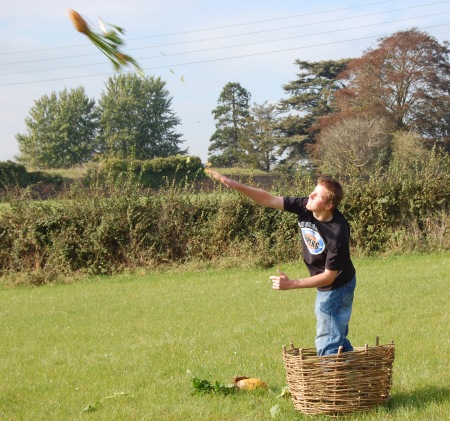
    The Association’s ace staff photographer risked his life to take this exciting action shot. Normally it is extremely inadvisable to stand in between the pitching basket and the Norman. Happily on this occasion he was not hit, but things could have turned out very differently.

    That’s a nice tree in the background, isn’t it?
    Placing the Norman
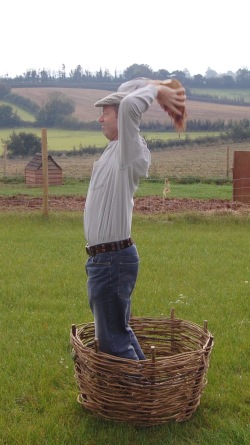
    Placing the Norman while at the same time trying out the Mangold Hurling Association’s new pitching basket. Its special features include pointy bits on the bottom which stick into the ground to provide extra stability. Despite this technical innovation, the basket has been hand-made in the traditional way using local materials.
    Novice hurler doing very well
    It is hard to believe that this gentleman had never previously hurled a mangold wurzel. Some people just seem to be naturally gifted.
    An excellent hurl
    Crikey, look at that one go! A streamlined mangold in the right hands can be a deadly missile.

    For tips on how to make your hurling as impressive as this, see our illustrated How to Hurl section.
  • Somerset, June 2007

    Planting out at the mangold patch

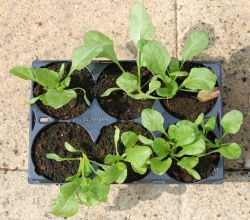
    Mangold seedlings ready for planting out
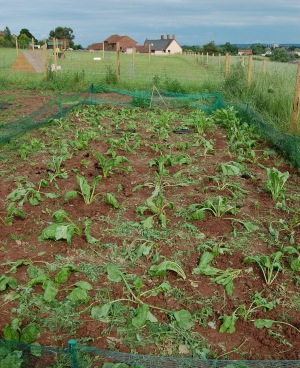
    Raised in captivity, these young mangold plants are now ready to leave their pots to join their counterparts in the mangold patch. This bird’s-eye view shows how the plants might appear to a crow or a tit.
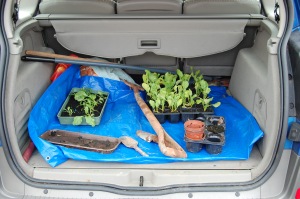
    Mangold paraphernalia in a car boot
    Everything you need for transplanting, thinning and weeding your mangolds can be accommodated in the boot of a conventional motor car. It is not necessary to purchase an agricultural vehicle.

    The mangold patch

    A general view of the mangold patch following weeding and thinning. These operations have slightly traumatised the mangolds, resulting in the foliage looking a bit droopy. They will soon perk up though.

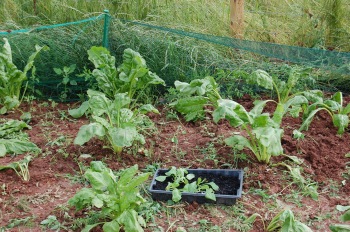
    These mangolds were sown directly in the soil, and are now nearly 7 (seven) weeks old and flourishing. A tray of young plants approximately four (4) weeks old is shown for comparison.

    The soil-grown mangolds are displaying superior growth because the ground here is particularly rich in nutrients, especially pig shit.

    A corner of the mangold patch
  • Somerset, May 2007

    Preparing the Mangold Patch

    In May 2007 work started on the Mangold Hurling Association’s new mangold plot at a secret location in Somerset.

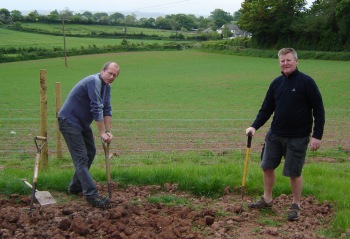
    Breaking the sod
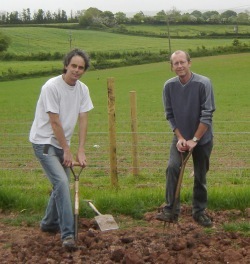
    Here we see committee members breaking the sod. The process of preparing new ground for mangold growing is called Derricking.
    Breaking ground
    In keeping with mangold hurling’s egalitarian ethic, even the Squire helps with the digging!
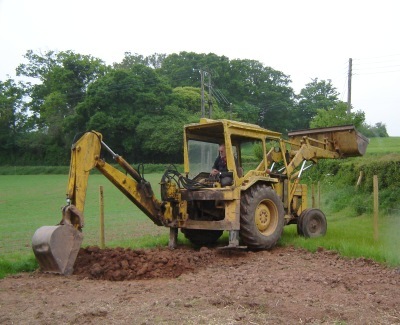
    Derricking using a backhoe digger

    Sometimes the nature of the sod is such that it is impossible to dig without quickly becoming tired, irritable and argumentative. The only thing to do in these circumstances is to mechanise the process.

    The pictures show the high-tech solutions employed by the Association. Although steeped in tradition, we are not afraid of using leading edge technology when appropriate.

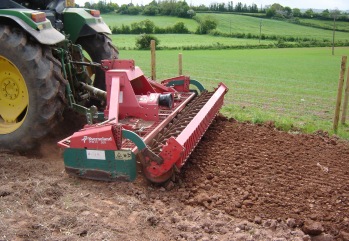
    This power harrow takes a lot of the work out of preparing the mangold plot and is recommended by the Association.

    Users should be careful to keep away from the moving parts.

    The power harrow at work
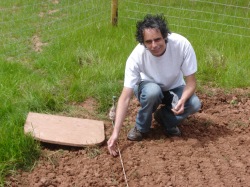
    Sowing mangold seeds

    Seeds should be sown 18 inches apart and about 1 inch deep. You can use a piece of string to make nice straight rows.

    The thing on the left of the picture is just a piece of plywood; it has no particular purpose and does not have a special name. It should not really be in the picture at all – it is a mistake.

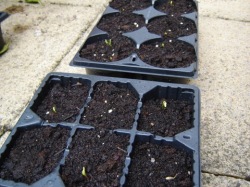
    If you like you can start your mangold seeds off in pots or seed trays and plant them out later. The ones on the right were sown 10 days previously, and if you look carefully you can just about see the seedlings poking their heads above the surface.

    If you put your seed trays in the garden, mind the cat doesn’t use them to do its business.

    Day 10, the first sign of life
  • Somerset, October 2006

    A Photographic Montage from Somerset, 2006

    Photo montage from 2006